It Started with a Packet
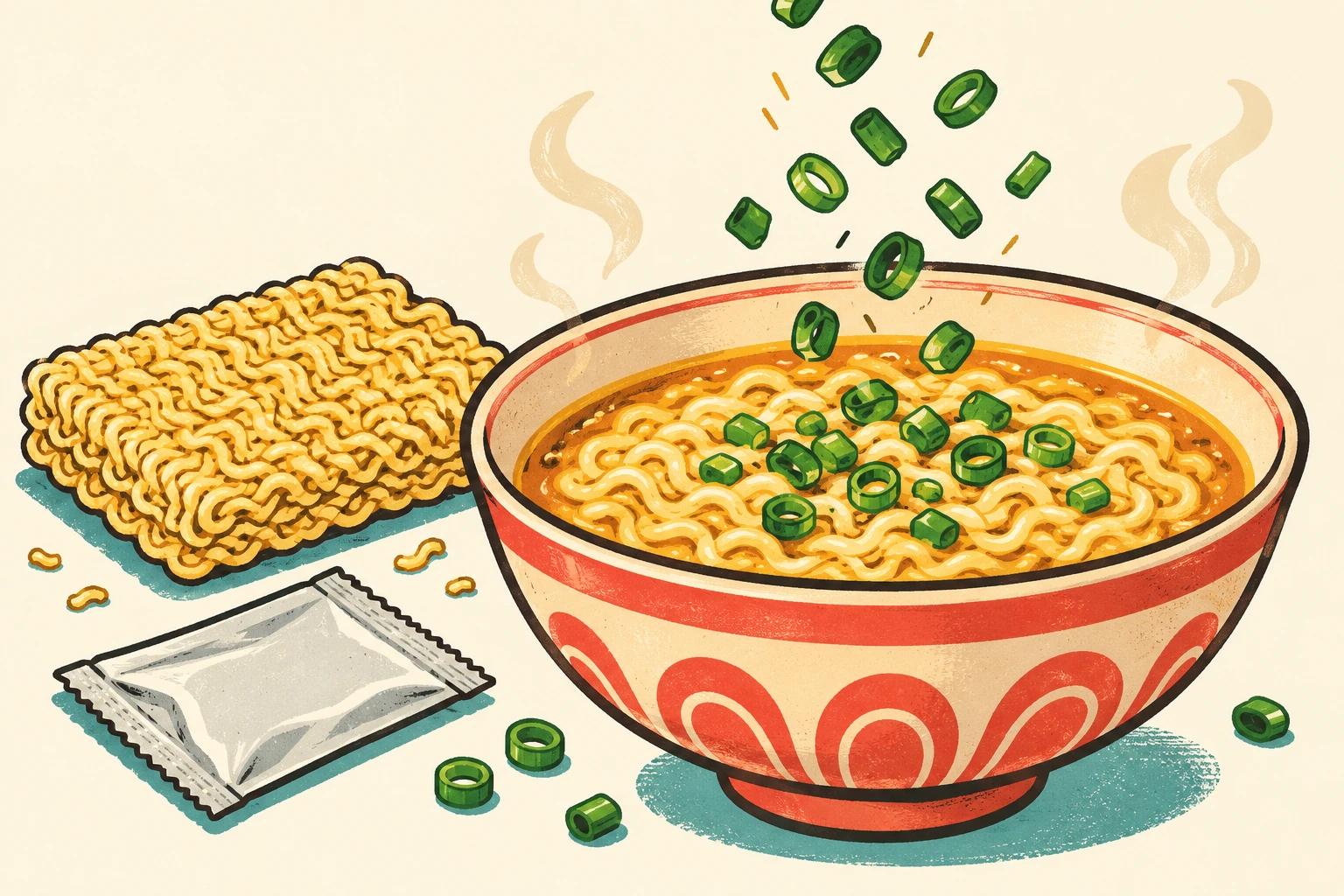
I ate a ton of ramen when I was younger. The cheap stuff in the plastic packet, with that little brick of noodles and the seasoning pouch. You know what I’m talking about.
I always liked those better than the cups. Classic college-dorm-style food. Cheap, easy, and something I could eat a whole lot of.
Then I figured out I could add stuff to it. Green onions, for example.
Oh man. Apparently, that was all it took to get me excited.
It sounds like such a small thing now, but it was a big deal to me. I could take this packet I’d eaten who knows how many times, throw something fresh in there, and change the bowl. That was when I started getting the idea of building flavors. I could play around with it.
So when I started looking into ramen’s history, I wanted to know how we got to that little packet. Turns out, there’s a lot more going on than I knew.
For starters, ramen’s roots go back to Chinese noodle dishes brought to Japan by immigrants. Cooks in Japan adapted them over time, and people were eating ramen well before World War II. There was already a whole story happening before instant noodles came along. More on ramen’s early days
The postwar part caught my attention, too. Japan was dealing with serious food shortages, and rice was hard to come by. American wheat imports helped make foods like bread and noodles available, and helped ramen come back after the war. People were selling it at stalls and in black markets while trying to get by. The postwar wheat connection
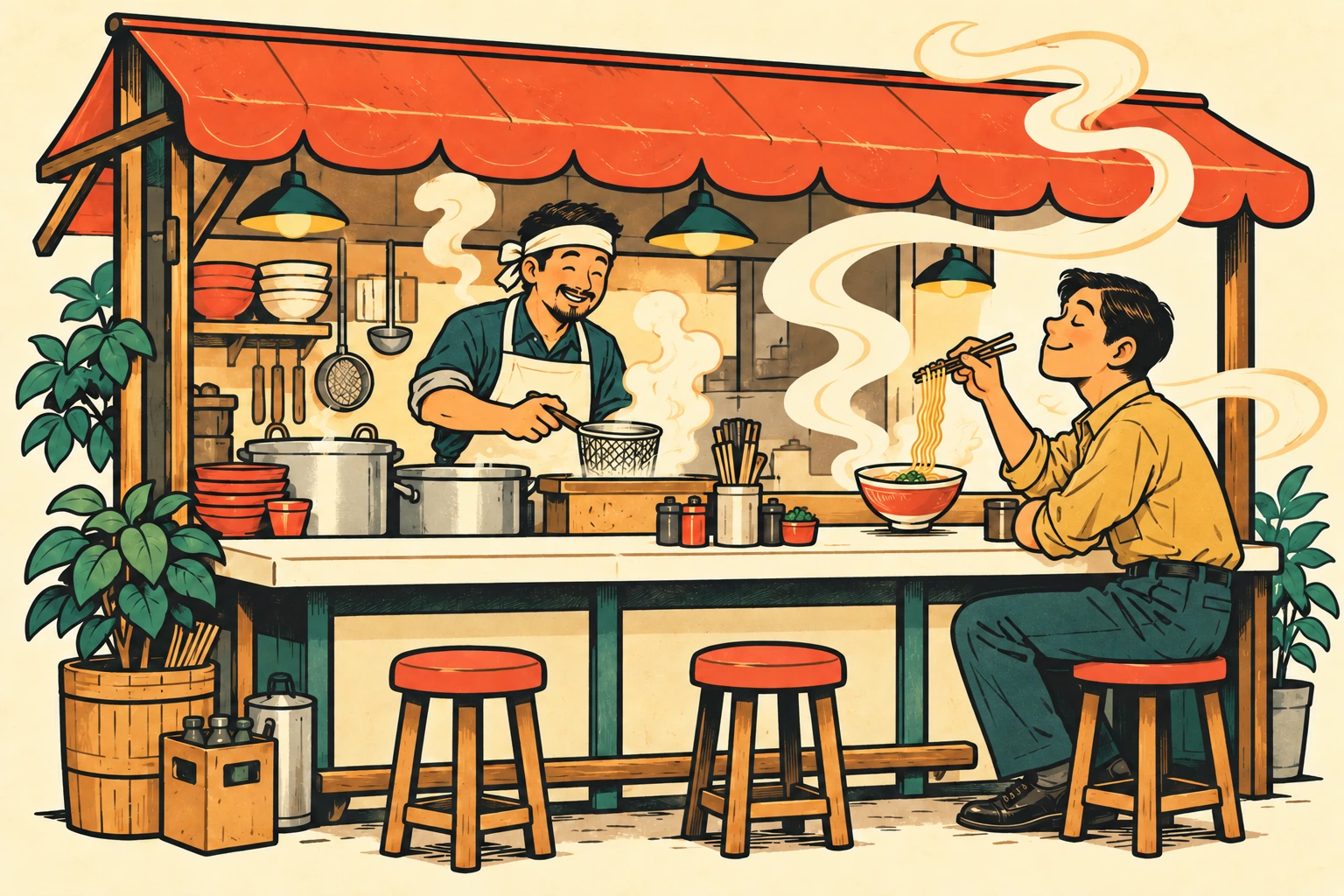
I’d eaten so much of this stuff without knowing any of that. To me, it had always been an easy meal. Learning how it fit into people’s lives during such a difficult time gave me a lot more to think about.
And then I got to Momofuku Ando.
Now, I knew the name Momofuku because of David Chang. Shout-out to Momofuku Chili Crunch. That’s my jam. I’d just figured Chang came up with the name. Then I find out there was an actual guy named Momofuku who invented instant noodles. Somehow, I knew about the chili crunch before I knew about him.
Ando introduced Chicken Ramen in 1958, the world’s first instant noodles. According to Nissin’s account, watching his wife fry tempura helped him figure out how to make it work. Frying the noodles took out the moisture so they could be stored, then soften again when you added hot water. How Ando figured it out
Oh, by the way, does anyone else eat those leftover bits in the ramen packet, or is that just me? Sorry, I digress.
That’s pretty cool. I’ve opened all these packets over the years, and I never stopped to wonder how somebody got the noodles to do that.
And here’s another thing: instant ramen wasn’t even the cheap option when it first came out. That part came later. So the bargain meal I grew up loving had a few changes of its own along the way.
Chang says in his cookbook that Momofuku means “lucky peach,” and the name is also an indirect nod to Ando. So there really was a connection. I’d just missed it. Chang’s explanation, page 28
The more I read, the more I want to try. You’ve got miso ramen associated with Sapporo, pork-bone broths associated with Kyushu, and so many different ways cooks have put a bowl together. Different places developed their own styles, and people are still trying new things. A look at the different styles
I like that there’s room to experiment. Ramen has a history worth learning, and I want to understand it. But I also like the idea that I can try something, see how it tastes, and figure out what I’d do differently next time.
That’s what I want to get into here at Slurp House. What makes the broth taste that good? What difference do the noodles make? What happens if I add this?
I’ve got plenty to learn, and I want to have some fun with it. Eat some good bowls, share what I’m figuring out, and hopefully pick up a few tips along the way.
It started with a packet and some green onions. Let’s see where it goes.